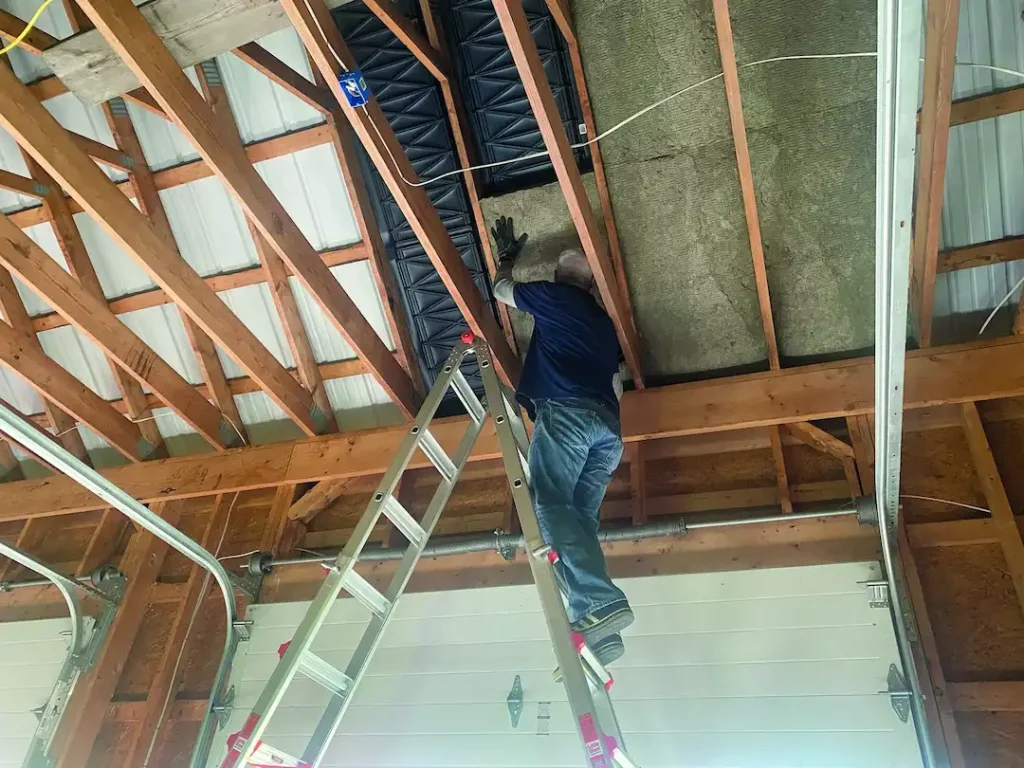
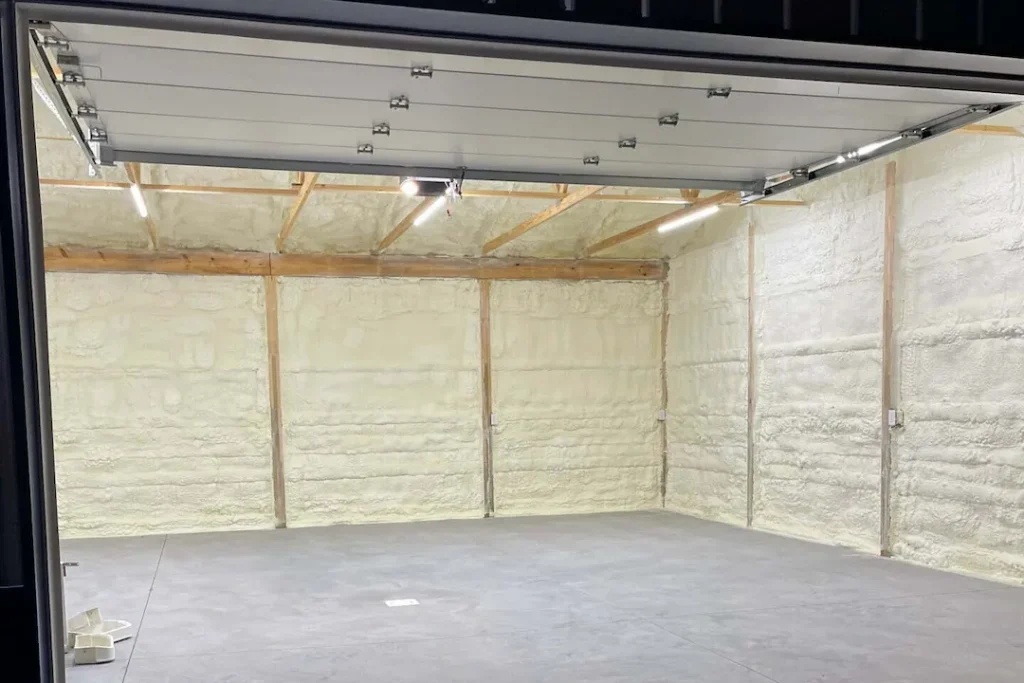
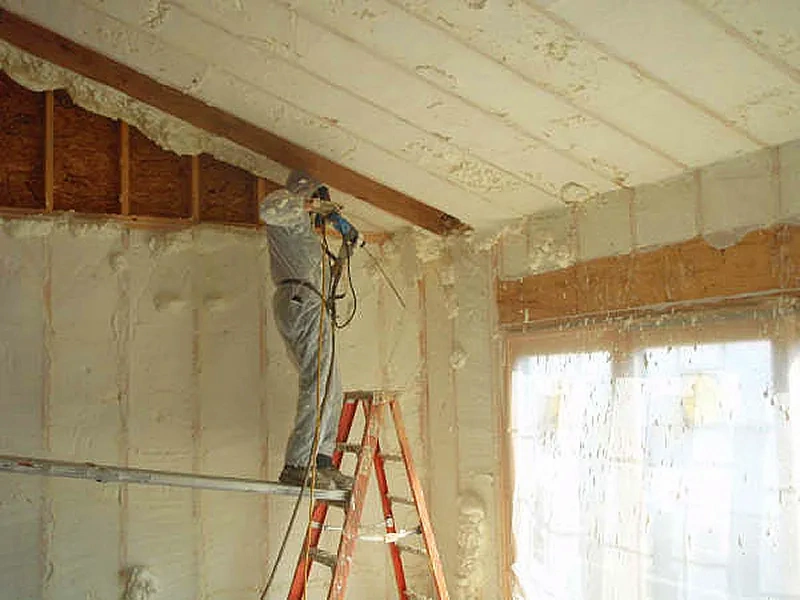
If you’ve ever walked into your garage during the height of summer or the cold of winter, you know how unpredictable the temperature can be. One of the most effective ways to solve this problem is by spray on insulation for rafters in garage. As a homeowner and someone who’s experimented with different insulation methods, I’ve found that spray foam is a game-changer when it comes to energy efficiency, comfort, and long-term cost savings.
In this guide, we’ll break down why spray foam is a top choice, how it works, installation tips, costs, and even a real-life case study that demonstrates its effectiveness.
Content
Why Insulate Garage Rafters?
Most people overlook the importance of spray on insulation for rafters in garage, assuming the garage is just for storage. However, there are multiple reasons why insulating your rafters is a smart move:
Temperature Control: Garages often experience extreme heat in the summer and freezing temperatures in winter. Spray foam insulation helps maintain a stable temperature.
Energy Efficiency: Proper insulation reduces heat loss in winter and keeps your garage cooler in summer, indirectly saving on your home’s heating and cooling bills.
Moisture Protection: Garages can accumulate moisture, leading to mold or structural damage. Closed-cell spray foam acts as a moisture barrier.
Noise Reduction: Insulated rafters also absorb sound, making your garage quieter if you use it as a workshop or recreational space.
Spray On Insulation Types: Open-Cell vs. Closed-Cell
When considering spray foam insulation for rafters, there are two main types to choose from:
1. Open-Cell Spray Foam
Lightweight and flexible
Cost-effective
Offers soundproofing benefits
Less effective at moisture resistance
2. Closed-Cell Spray Foam
Denser and rigid
Superior moisture resistance
Adds structural strength
Higher cost but better long-term performance
For most garages, I recommend closed-cell spray foam because garages are exposed to temperature extremes and potential moisture accumulation.
How to Install Spray Foam Insulation in Garage Rafters
Installing spray on insulation for rafters in garage might seem intimidating, but with the right preparation, it’s manageable—even for DIY enthusiasts. Here’s a step-by-step overview:
Preparation
Clear the garage of any items that may be in the way.
Wear protective gear: gloves, mask, and goggles.
Inspect rafters for leaks or damage and repair them before spraying.
Calculate the required amount using your garage rafter dimensions.
Application
Use a spray foam kit or hire a professional.
Apply a uniform layer on the underside of the rafters.
Avoid over-spraying to prevent sagging or drips.
Finishing Touches
Trim any excess foam once it has cured.
Consider adding a vapor barrier if moisture is a concern.
Pro Tip: I once sprayed foam in a friend’s garage with DIY kits. Initially, the foam expanded more than expected, so a little trimming was required. That small adjustment made all the difference in achieving a clean finish.
Cost Considerations for Spray Foam Garage Insulation
One of the first questions homeowners ask is about the cost of spray foam insulation for garage rafters. Costs vary based on foam type, rafter size, and whether you hire a professional. Here’s a rough estimate:
Foam Type
Cost per sq. ft
Notes
Open-Cell
$0.45 – $0.65
DIY-friendly, soundproofing benefits
Closed-Cell
$1.00 – $1.50
Excellent moisture and thermal protection
For an average 2-car garage with 400 sq. ft. of rafters, you’re looking at $400–$600 for open-cell and $1,000–$1,500 for closed-cell.
While the upfront cost may seem high, the energy savings and improved comfort often offset this in just a few years.
Real-Life Case Study: The Johnson Garage Transformation
The Johnson family had a typical attached garage in Chicago that was unbearably cold in winter and sweltering in summer. They decided to invest in spray foam insulation for rafters in garage.
Step 1: They consulted a local professional and chose closed-cell spray foam due to the moisture concerns in their region.
Step 2: The installer cleared the garage and applied the foam to all rafters and ceiling areas.
Step 3: After curing, the garage temperature stabilized significantly, and energy bills showed a 15% decrease in heating costs.
Mrs. Johnson said, “I never realized how much heat we were losing through the rafters. Spray foam insulation made our garage not just usable, but comfortable all year round.”
This case perfectly illustrates how spray on insulation for rafters in garage is an investment that pays off in comfort, efficiency, and long-term savings.
Benefits of Spray Foam Insulation in Garage Rafters
Using spray foam insulation offers multiple tangible benefits:
Energy Efficiency – Reduces heating and cooling costs.
Moisture Barrier – Closed-cell foam prevents mold and structural damage.
Enhanced Comfort – Garage temperature remains stable year-round.
Durability – Long-lasting and low-maintenance solution.
Noise Reduction – Perfect for garages converted into workshops or home gyms.
Conclusion: Is Spray Foam Insulation Worth It?
From my experience and observing real-life examples, spray on insulation for rafters in garage is one of the best upgrades a homeowner can make. It not only stabilizes temperature and reduces energy bills but also prevents moisture-related damage and increases overall comfort.
Whether you choose DIY or hire a professional, understanding the types of spray foam and proper installation techniques is key. Investing in spray foam is not just about insulating a garage—it’s about adding long-term value, efficiency, and usability to your home.
Common Questions About Spray On Insulation for Rafters in Garage
Is DIY Spray On Insulation for Rafters in Garage?
Yes, if you follow safety guidelines and wear protective gear. However, hiring a professional ensures optimal coverage and reduces risk.
How Thick Should the Insulation Be?
For most garages, 2–3 inches of closed-cell spray foam provides sufficient thermal protection. Open-cell may require a slightly thicker layer.
Can I Insulate an Existing Garage Without Removing Rafters?
Absolutely. Spray foam is applied directly onto rafters and surfaces without major demolition.
Melissa Day is a dedicated home blogger who has been blogging for over six years. She covers everything home related. Melissa also loves writing posts about her travels to Europe with her husband and two children.