The architectural landscape of Great Britain owes much of its character to the nineteenth and early twentieth centuries. In particular, the classic London front door serves not merely as a point of entry, but as a historical statement of property status and design cohesion. For homeowners looking to preserve the authenticity of period properties, or those introducing classic styling into a newly built house, understanding the engineering and history of Victorian front doors is essential.
This comprehensive architectural guide explores the history, structures, and modern technical solutions for introducing or restoring a premium London front door.
Content
1. Historical Architecture of the London Front Door
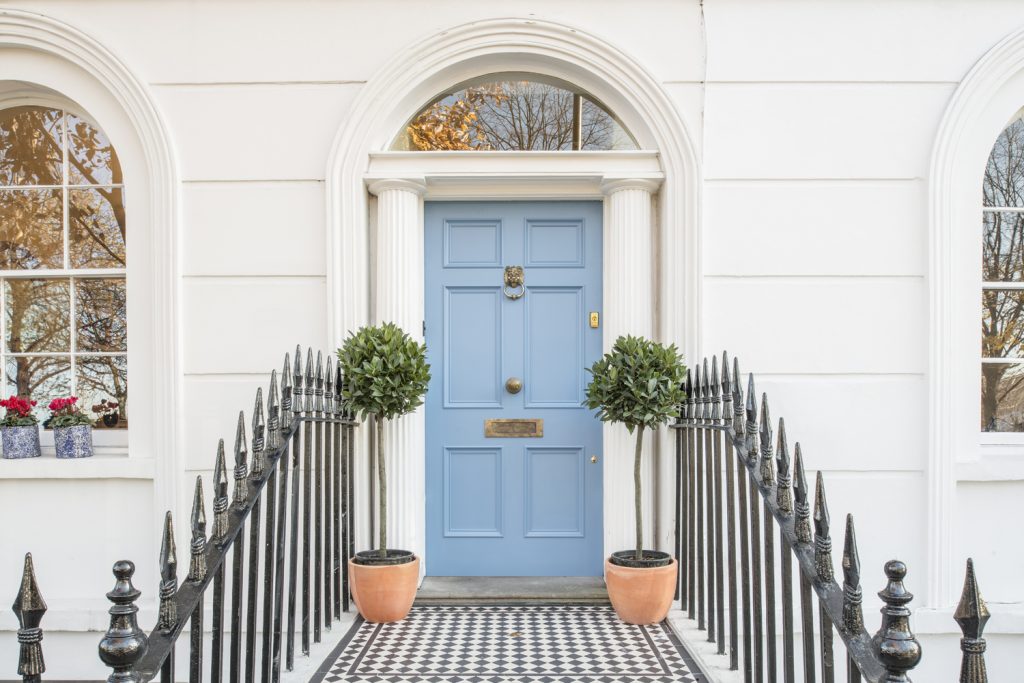
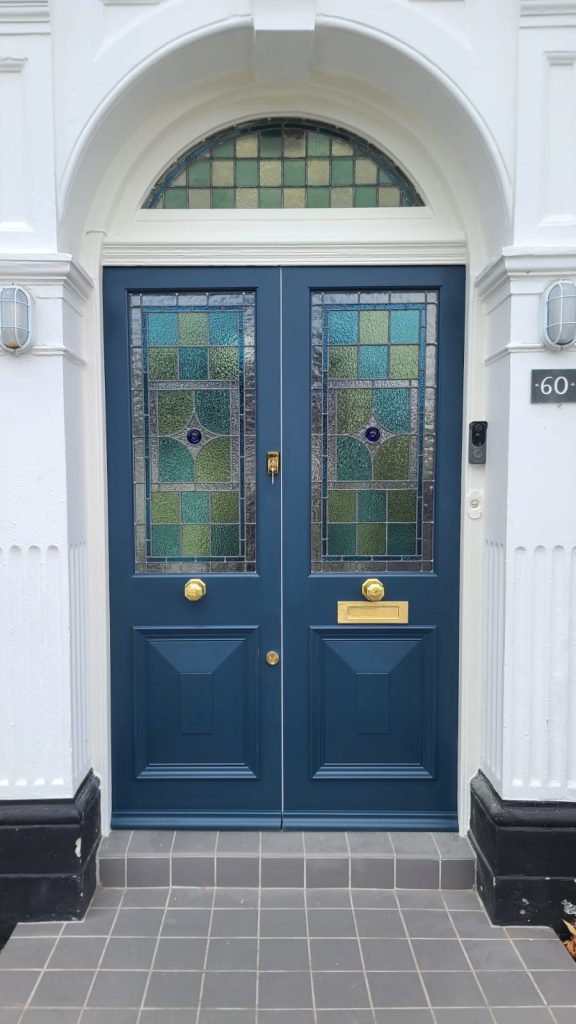
During the Victorian era (1837–1901), the entrance of a house reflected the wealth of its occupants. True Victorian front doors were traditionally constructed from solid, slow-grown European timber, such as Scots pine or oak, to ensure structural longevity.
+———————————–+———————————–+
| Architectural Feature | Historical Significance |
+———————————–+———————————–+
| Four or Six-Panel Layout | Deeply moulded raised panels |
| | creating distinct shadow lines. |
+———————————–+———————————–+
| Ornate Glass Inserts | Etched, sandblasted, or stained |
| | leaded glass in top panels. |
+———————————–+———————————–+
| Heavy Door Furniture | Central ring knockers, unlacquered |
| | brass, or cast iron hardware. |
+———————————–+———————————–+
Today, when developers construct a newly built home, integrating a traditional London front door bridges the gap between historical aesthetics and modern structural engineering, allowing new properties to blend seamlessly into established heritage streets.
2. The Two Biggest Challenges with Period Front Doors in London
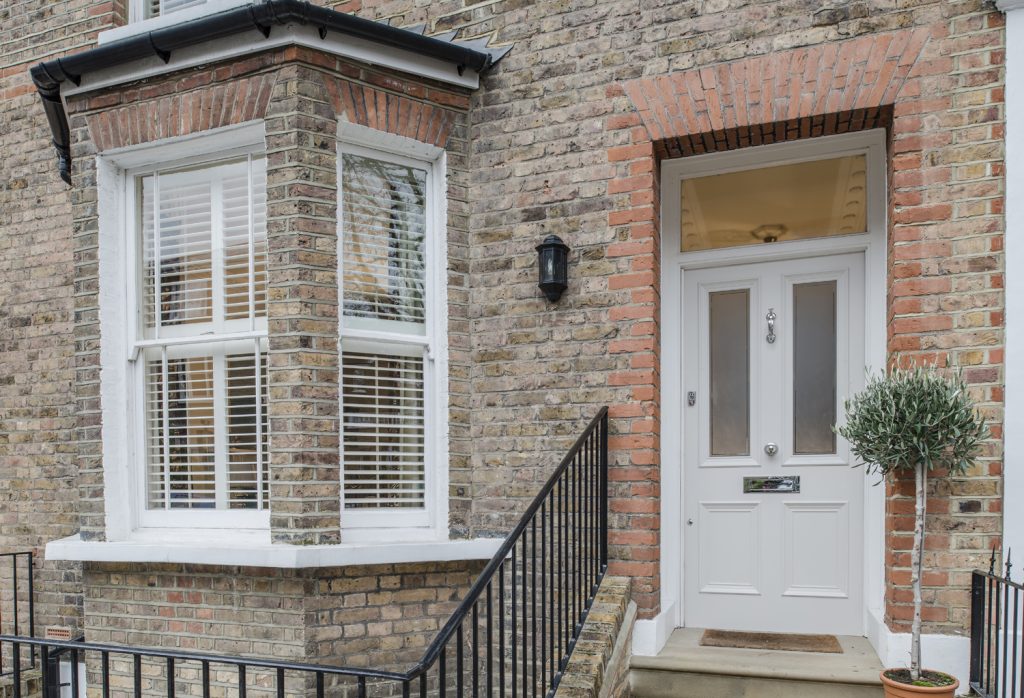
Homeowners seeking to replace or upgrade their current entrance typically face two critical issues that directly affect the thermal efficiency, security, and preservation of their London property.
Challenge 1: Structural Timber Warping and Weather Distortion
Older properties suffer significantly from seasonal shifting, damp climates, and fluctuating temperatures. Traditional softwoods readily absorb atmospheric moisture, leading to:
- Expansion and Binding: The door swells within the frame, making it difficult to open or close during winter.
- Shrinkage and Drafts: Summer heat dries out the wood, leaving gaps that allow cold air to bypass the perimeter seals.
The Solution: Modern high-performance replacements utilize technologically modified timbers such as Accoya or Tricoya panels. Acetylated wood alters the chemical structure of the timber, ensuring it does not absorb moisture, effectively preventing twisting, swelling, or rotting for decades.
Challenge 2: Thermal Loss and Vulnerable Security Frameworks
Original single-glazed panels and thin timber stiles offer virtually zero resistance against modern thermal loss and forced entry.
- Heat Loss: Large glass fanlights and upper door panels allow heat to escape rapidly, lowering the property’s energy efficiency.
- Security Risks: Antique rim locks and weak mortice setups do not meet modern British Standards (BS3621) or insurance requirements.
The Solution: Premium Victorian front doors are now engineered with multi-point locking systems embedded into solid hardwood frames, combined with traditional-looking double-glazed units. Using sandblasted or etched double-glazed glass allows homeowners to keep the authentic period look while achieving modern thermal insulation and security.
3.Frequently Asked Questions (FAQ)
Do I need planning permission to change my front door in London?
Planning permission requirements vary significantly across different London boroughs (such as Islington, Kensington, or Southwark). If your property is located within a designated Conservation Area or is a Listed Building, you will generally require Article 4 Direction approval to alter the appearance of your entrance. Always consult your local council planning department before removing an original door.
What is the difference between a Victorian and a 1920s front door?
While Victorian front doors typically focus on deep, heavy four-panel configurations with ornate, raised mouldings, 1920s and 1930s doors favor simpler geometric layouts. A 1920s design often features three vertical lower panels with a larger single glass pane at the top, reflecting the transition towards Art Deco styles.
Can double glazing look authentic on a period door?
Yes. Modern heritage glazing techniques allow slimline double-glazed units to be fitted seamlessly into traditional timber profiles. By utilizing sandblasted designs, traditional frosted borders, or authentic leaded lines, the window maintains its historical appearance while delivering excellent energy conservation.

Melissa Day is a dedicated home blogger who has been blogging for over six years. She covers everything home related. Melissa also loves writing posts about her travels to Europe with her husband and two children.