Transforming a Hudson Valley estate requires a sophisticated approach that combines design innovation, structural integrity, and the use of high-end materials. For agencies specializing in estate transformations, understanding the unique characteristics of this region is paramount. This article delves into the latest trends in 2026 design-build projects, offering expert insights into successful Interior Renovations. From key design trends to essential considerations, we explore how agencies can leverage local expertise to create stunning estate transformations that stand the test of time.
Content
Interior Renovations: A Hudson Valley Perspective
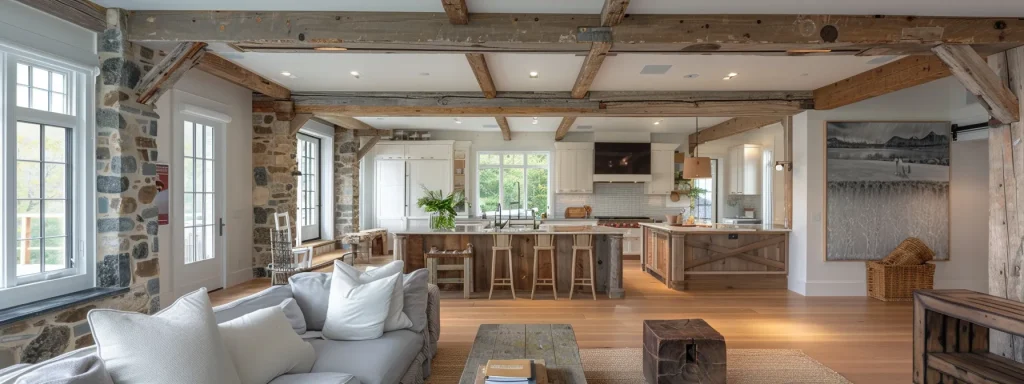
The Hudson Valley is renowned for its picturesque landscapes and historical architecture, making it a prime location for estate transformations. Agencies must consider the region’s specific aesthetic preferences and structural requirements when planning Interior Renovations. Utilizing a Creative Brief during the initial Project Kickoff can help align the client’s vision with feasible design solutions. Moreover, understanding the cultural significance of local architecture can inform design choices that resonate with the community.
Incorporating sustainable practices is increasingly important in Hudson Valley renovations. Agencies might engage in a Retainer Agreement with local suppliers who specialize in eco-friendly materials, ensuring that renovations not only preserve the environment but also enhance the estate’s value. For instance, using reclaimed wood and natural stone can add an authentic touch to the interior design while maintaining structural integrity.
Key Design Trends Shaping Hudson Valley Estates
As we look ahead to 2026, several design trends are set to influence Hudson Valley estate transformations. Agencies must stay abreast of these trends to deliver projects that meet contemporary standards. High-end materials such as quartz and marble are favored for their durability and aesthetic appeal. Integrating these elements into kitchen and bathroom renovations can create luxurious yet practical spaces.
Another significant trend is the incorporation of technology into estate designs. From smart home systems to advanced lighting solutions, agencies can enhance estate functionality and security. A comprehensive Touchpoint Analysis can help identify areas where technological upgrades will provide the most benefit, ensuring that digital asset management is seamlessly integrated into the renovation process.
Essential Considerations for Successful Renovations
When undertaking an estate transformation, agencies must address several critical factors to ensure success. Managing Scope Creep is vital in maintaining project timelines and budgets. Establishing a clear Deliverable Schedule can prevent unnecessary delays and cost overruns. Transparent communication during Client Onboarding is also essential to align expectations and project goals.
Structural integrity cannot be overlooked in any renovation project. Agencies should conduct thorough assessments to identify any underlying issues in the building’s foundation or framework. Collaborating with structural engineers can provide the necessary expertise to address these concerns, ensuring that the estate’s longevity is not compromised.
Collaborating with Local Experts for Transformative Results
Leveraging local expertise is crucial for achieving transformative results in Hudson Valley estate renovations. Agencies can benefit from engaging with local architects and craftsmen who understand the region’s architectural nuances. A well-structured Talent Acquisition Strategy can bring skilled professionals on board, enhancing the project’s quality and authenticity.
Working with local contractors also facilitates effective Campaign Attribution, allowing agencies to track project progress and make data-driven decisions. By establishing a robust Content Calendar, agencies can ensure consistent communication with clients, keeping them informed of milestones and updates. Moreover, recent analysis from Architectural Digest highlights the importance of local collaboration in enhancing project outcomes.
One example of successful collaboration is seen in Interior Renovations of historical estates, where agencies have partnered with local artisans to restore original features while incorporating modern amenities. Such partnerships not only preserve the estate’s heritage but also boost its market appeal. More information about interior renovation strategies can be found Interior Renovations.
Conclusion

Agencies transforming Hudson Valley estates must blend design innovation with structural integrity and local expertise. By understanding regional trends and collaborating with local professionals, agencies can deliver projects that are both aesthetically pleasing and functionally superior. As the industry evolves, agencies that adopt these expert strategies will lead the way in estate transformations, ensuring their projects stand the test of time.

Melissa Day is a dedicated home blogger who has been blogging for over six years. She covers everything home related. Melissa also loves writing posts about her travels to Europe with her husband and two children.